Is Shibuya Sky really worth it?
An honest verdict on Shibuya Sky: what 2,700 yen buys against Tokyo's other decks, who walks away disappointed, and the days it is not worth booking.
 By Mia Nakamura, licensed Tokyo tour guide based in Shibuya
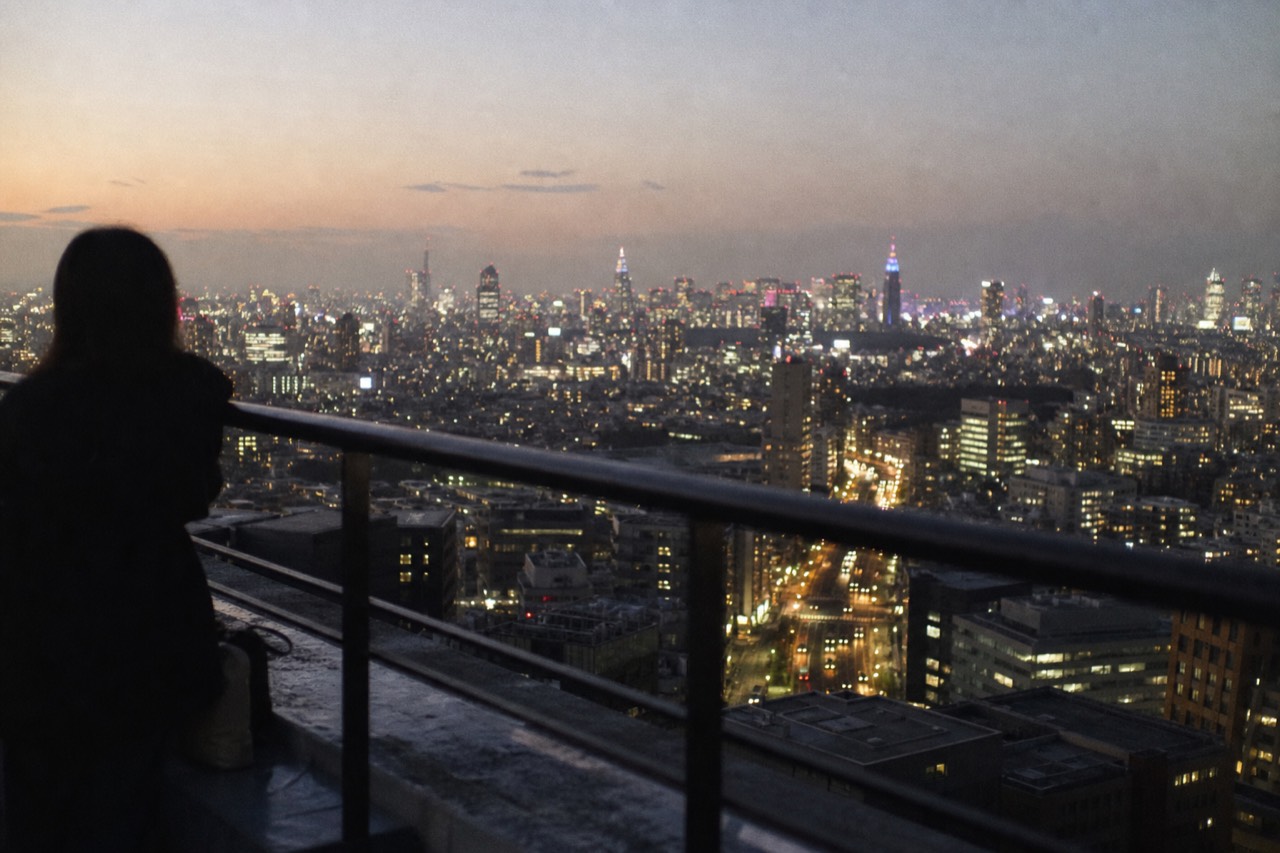
There is a moment about four seconds after you step out of the doorway onto the rooftop when people stop talking. I have watched it happen with visitors dozens of times and it is always the same: they walk out, the wind hits, they see there is no ceiling and no glass, and they go quiet. That reaction is what 2,700 yen is really buying, and whether it is worth the money to you depends almost entirely on whether an open roof matters more to you than raw height.
Because on height alone, this deck loses. Two of Tokyo's other viewpoints are higher, one of them is free, and several are cheaper. The case for this one is narrower and stronger than a numbers comparison suggests.
What does 2,700 yen actually get you?
A timed entry to three zones: the escalator ascent, the enclosed 46th-floor gallery, and the open rooftop at 229 metres. That is 2,700 yen for an entry before 15:00 and 3,400 yen from 15:00 onward on the official web shop, with the on-site counter charging 300 yen more on either tier.
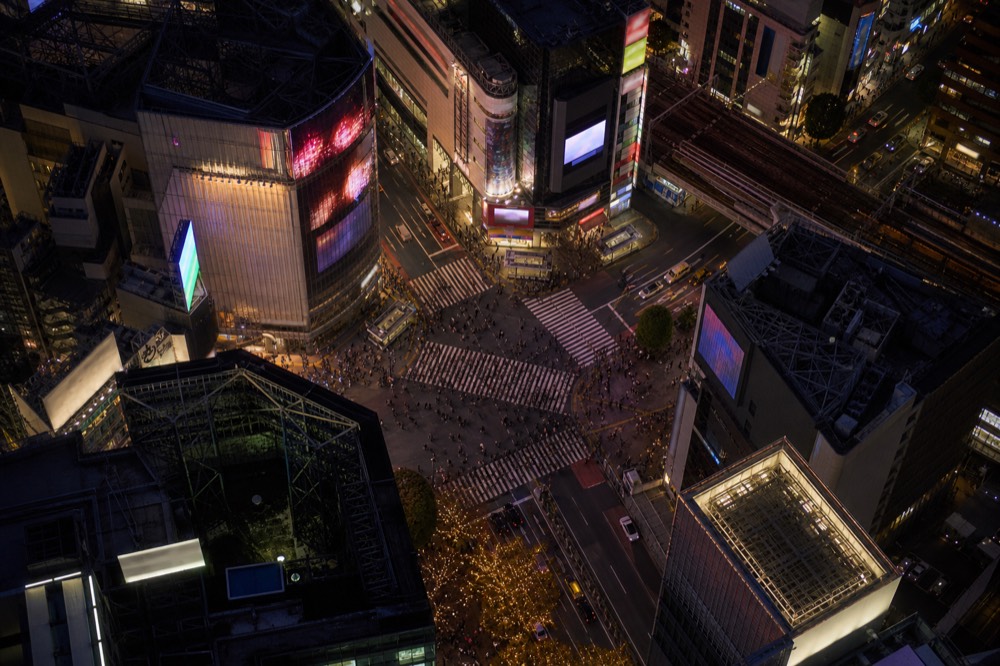
The thing that separates it from every other paid view in the city is not the altitude, it is the absence of a barrier. You are standing on a roof, in the weather, with the city on all four sides and the most photographed pedestrian crossing on earth directly beneath your feet. Skytree puts you a hundred metres higher behind glass and eight kilometres away from anything you recognise at street level. That distance is the trade.
Set the prices next to each other and the picture gets clearer. The full comparison across every deck in the city sits in the deck-by-deck breakdown, and the head-to-head that most people actually want is this deck against Skytree.
| Deck | Height | Adult from | Open to the sky? | Crossing in view? |
|---|---|---|---|---|
| Shibuya Sky | 229 m | 2,700 yen before 15:00 | Yes, the whole rooftop | Yes, directly below |
| Tokyo Skytree Tembo Deck | 350 m | About 1,800 yen online | No | No |
| Skytree Deck plus Galleria | 450 m | About 3,000 yen | No | No |
| Tokyo Tower Main Deck | 150 m | 1,500 yen | No | No |
| Tokyo Tower Top Deck tour | 250 m | About 3,300 yen online | No | No |
| Metropolitan Government building | 202 m | Free | No | No |
| Sunshine 60 Tenbou Park | 251 m | 700 to 900 yen | No | No |
| Roppongi Hills Tokyo City View | About 250 m | 1,800 to 2,400 yen | Indoor deck | No |
Is Shibuya Sky worth the money?
Yes for most first visits, and the review record backs it: 4.7 stars across 45,800 reviews, from $17.70 for the plain admission ticket. It is priced above the free city hall observatory and below the Skytree combination ticket, and it is the only one of them that puts you outdoors above the Crossing.
Compare it to what an hour in Tokyo otherwise costs and the number stops looking steep. A decent bowl of ramen and a coffee land in the same range. What you get instead is a view most people came to this city specifically to see, from the one angle that makes it legible, and photographs that come home with you.
The counter-argument is honest and easy to state: the Metropolitan Government observatory in Shinjuku is 202 metres, free, and gives you a genuine Tokyo panorama including Fuji on a clear morning. If the goal is simply to look at the city from height and spend nothing, take that. It just cannot show you Shibuya Crossing, and it puts glass between you and the sky.
For a visitor with one evening and a limited budget, the sensible order is the free deck for daylight orientation and this one for sunset. If you would rather see the slot prices for your own dates before deciding, check what is still available this week.
When is it not worth it?
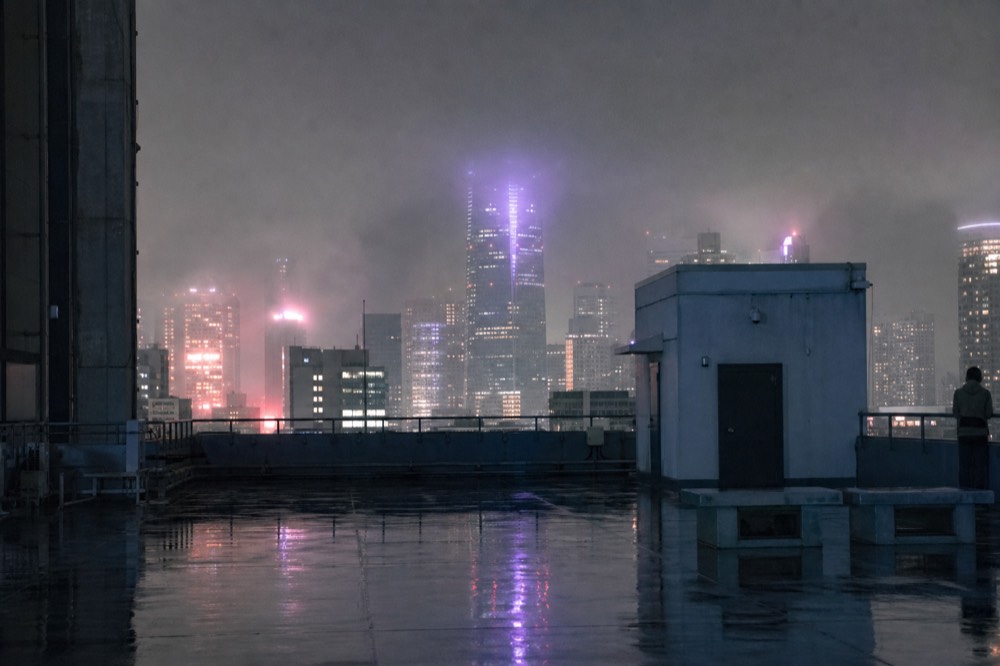
On days the weather shuts the rooftop. The open Sky Stage closes without notice in wind, rain, lightning or extreme heat, and visitors are held to the indoor 46th-floor gallery instead, at full price. Refunds are handled before entry only, which makes the gate the last point where you have any choice.
Three other situations produce genuinely disappointed visitors. The first is camera rules. No tripods, no monopods, no selfie sticks, and no bags of any kind on the rooftop, which rules out long exposures and means anyone planning serious night photography works handheld off a rail. The second is the sunset crush, when the Sky Edge corner queue runs past fifteen minutes and you spend the best light standing in a line rather than looking at it. The rules and the queue behaviour are covered properly in the full walkthrough of the deck.
The third is expectation. Anyone chasing the highest view in Tokyo is in the wrong building, and anyone hoping for a long leisurely sit-down should know the roof has hammocks and rails, not restaurants. The bar up there is seasonal, running 29 April to 25 December this year with drink sets from 7,000 yen and admission for ages 20 and over only, so a winter visit will not find it.
So who should book it?
Anyone on a first trip to Tokyo who wants the Crossing from above, anyone who values open air over altitude, and anyone chasing a sunset that hands them daylight and neon on one entry. Skip it if the forecast is bad, if you have already seen the city from Skytree and want something different, or if free is the only budget that works.
The people who rate the visit highest did two dull things. They picked a slot with the light in mind rather than booking whatever was left, and they arrived early enough that the Sky Edge queue did not eat the good part. Which hour to target, month by month, is set out in the sunset timing guide, and the realistic time budget is in how long people actually stay.
One structural point in its favour, and then a verdict. Admission is timed and sold in limited allocation, released 14 days ahead, which caps how many people are on that roof at once. That is why a deck this popular still feels workable at sunset when the streets below do not. If you want to weigh a plain entry against a guided evening carrying its own admission, every route onto the roof is compared in one place, and the sunset-timed walk rates 4.8 across 6 reviews at $94 with free cancellation, so it costs nothing to hold a golden hour slot while you watch the forecast.
Verdict: worth it, at 2,700 yen, on a day the roof is open, if the open air is the point. Not worth it as a generic tall-building experience, because Tokyo sells cheaper and higher versions of that, one of them for nothing at all.
Frequently asked questions
Is Shibuya Sky worth the money compared with the Skytree?
They sell different things. Skytree is 350 or 450 metres behind glass and starts around 1,800 yen online. Shibuya Sky is 229 metres, open to the sky, and directly above Shibuya Crossing at 2,700 yen. Pay for Skytree if you want maximum height, for Shibuya Sky if you want to be outdoors above a view you recognise.
Is Shibuya Sky worth it if the weather is bad?
No, and the mechanics matter. The open rooftop closes without notice in wind, rain, lightning or extreme heat, and you are held to the indoor 46th-floor gallery at the same price. Refunds only happen before you enter, so if the roof is already closed when you reach the 14F gate, that is the moment to change the plan.
Can you enter Shibuya Sky for free?
No. Every entry is a paid timed ticket, at 2,700 yen before 15:00 or 3,400 from 15:00 on the official web shop, with children aged six and under admitted free. The free alternative in Tokyo is the Metropolitan Government observatory in Shinjuku at 202 metres, which is indoors and does not overlook Shibuya Crossing.