What is the Shibuya Scramble Square famous for?
The 229-metre tower over Shibuya Station, opened in 2019: what sits on which floor, why SHIBUYA SKY is only part of it, and how it fits the district rebuild.
 By Mia Nakamura, licensed Tokyo tour guide based in Shibuya
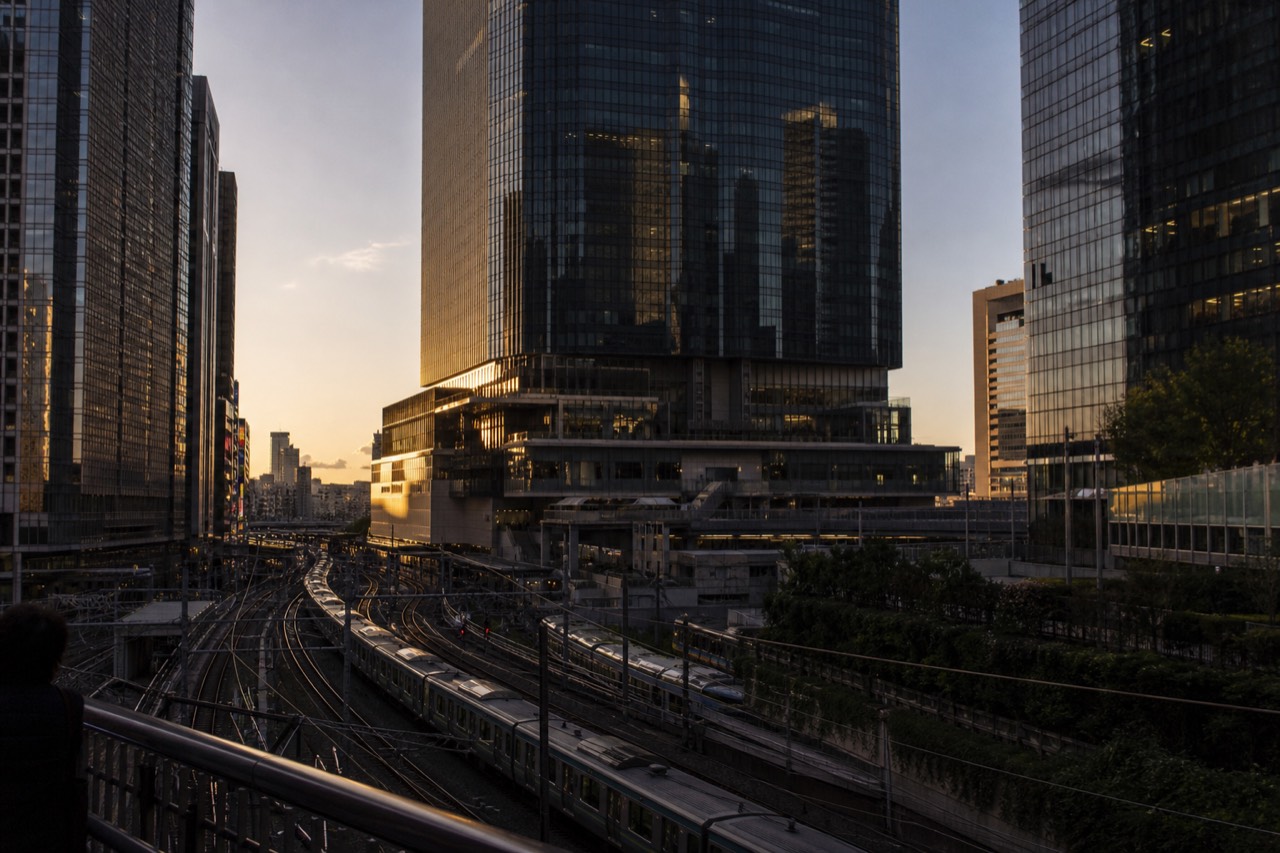
Guests often ask me where Shibuya Scramble Square is while they are standing inside it. That is not carelessness on their part, it is what happens when a 47-floor building is stitched so tightly into a station that the boundary between concourse, shopping floor and street disappears. You come up an escalator from the platforms, pass a few shops, and you are already three floors into the tallest building in Shibuya.
It opened on November 1, 2019, and it changed the district's skyline in one move. Before it, Shibuya was a place you looked across. Since it, Shibuya is a place you can look down on, which is the single reason most visitors have heard of the building at all.
What is inside Shibuya Scramble Square?
Retail and dining fill floors B2 to 14, with more than 200 shops and restaurants. The 15th floor holds SHIBUYA QWS, an innovation and events space. Offices run from roughly the 17th to the 45th. SHIBUYA SKY occupies floors 14, 45 and 46 plus the rooftop, at 229 metres.
The vertical arrangement is worth understanding before you visit, because it explains why the building feels confusing. Shoppers, office workers and deck visitors all enter through the same lower floors and then separate. Restaurants sit around the 12th and 13th, which is where a lot of people who never intend to go higher end up eating with a decent view for nothing.
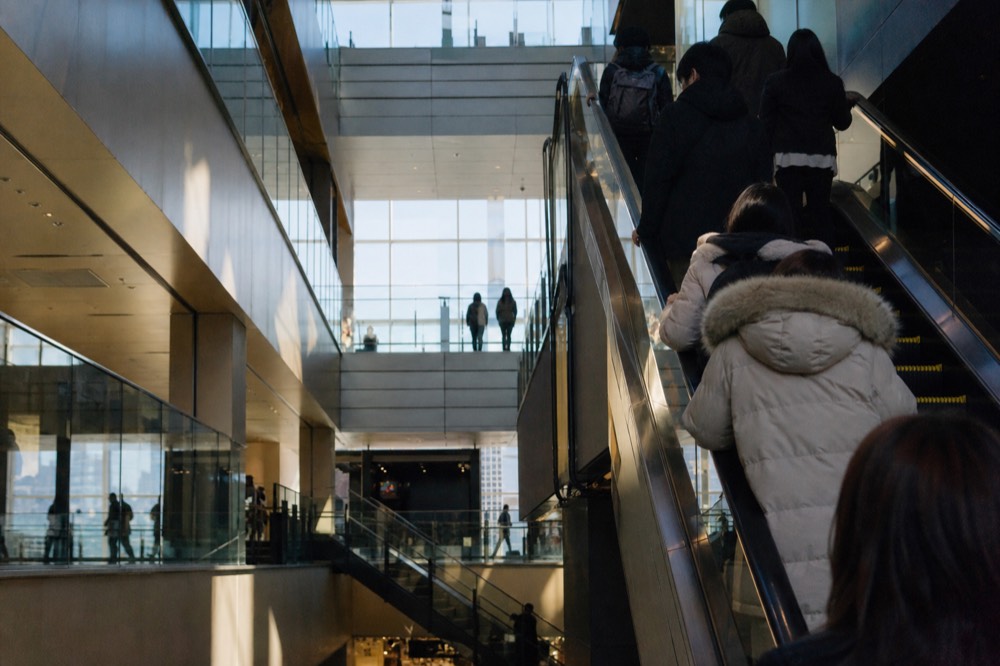
Deck visitors take a specific route. The gate and ticket counter are on 14, the ascent runs by escalator, and you arrive on the indoor 46th-floor Sky Gallery before stepping out onto the open roof. That rooftop, the Sky Stage, is where the Sky Edge corner, the Cloud Hammocks and the after-dark Crossing Light show all live, and it is described floor by floor in the full walkthrough of the deck.
| Floors | What is there |
|---|---|
| B2 to 14 | Retail and dining, more than 200 shops and restaurants |
| 12 and 13 | Restaurant floors, open to anyone without a deck ticket |
| 14 | SHIBUYA SKY gate and ticket counter |
| 15 | SHIBUYA QWS, an innovation and community space |
| About 17 to 45 | Offices |
| 45 and 46 | SHIBUYA SKY indoor levels, including the Sky Gallery |
| Rooftop, 229 m | Sky Stage, the open-air deck |
Is SHIBUYA SKY the same thing as Shibuya Scramble Square?
No. Shibuya Scramble Square is the whole 47-floor building. SHIBUYA SKY is the ticketed observation facility inside it, spread across the 14th, 45th and 46th floors and the roof. You can walk into the building freely, shop and eat, and never come near the paid deck.
The confusion is understandable, since search results treat the two names as interchangeable and the deck is the only part of the building most travelers hear about. The distinction matters in one situation: if someone says meet me at Scramble Square, they mean the shopping floors or the station exits, not 229 metres up.
It also matters for money. Nothing about entering the building costs anything. The restaurant floors, the shops and the terraces on the lower levels are open to anyone, and only the rooftop and its two indoor levels are behind a gate. Adult admission runs 2,700 yen through the official web shop for entry before 15:00 and 3,400 yen from 15:00, with the 14th-floor counter charging 300 yen more in each band. Elementary-age children pay 1,200 yen at that counter only, never online, and age six and under enters free. The official deck pages carry the current zones and rules.
Why was it built directly on top of the station?
Because Shibuya Station is one of the busiest interchanges in Tokyo and the land above it was the only large site left in the district. Building over the tracks let the tower connect straight into the concourse, so millions of daily passengers pass through its lower floors without stepping outside.
That is what makes the deck unusual among the world's observation towers. Almost everywhere else, you travel to a viewpoint. Here it sits on top of the transport hub you were already using, so a rooftop visit slots into an afternoon with no journey attached. Reaching the taller deck across the city costs about 35 minutes each way.
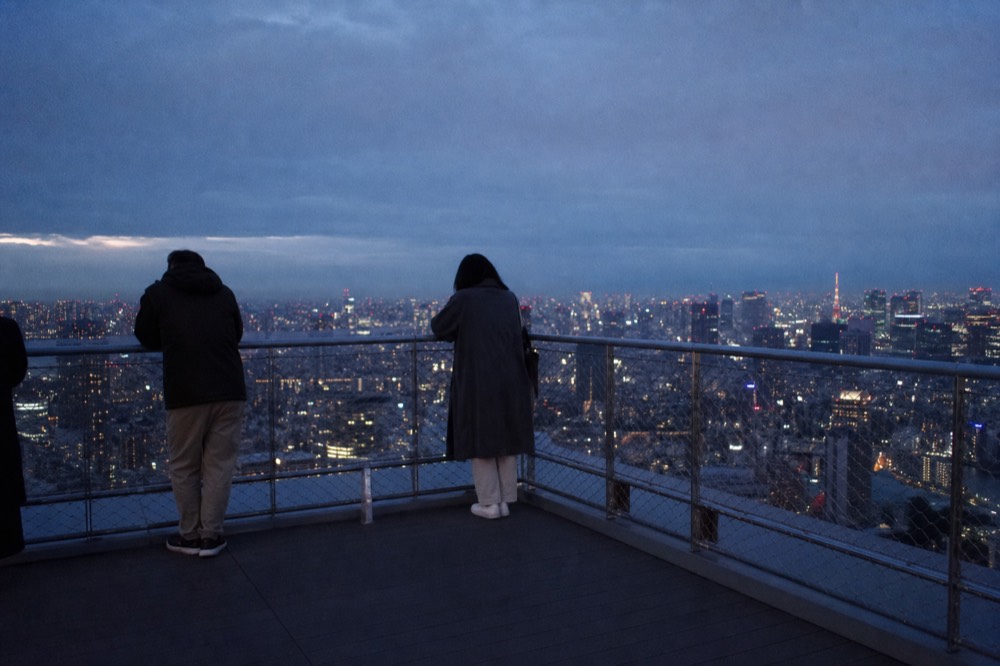
The position also explains the view. Sitting over the station puts the building at the exact point where seven or so rail lines converge and where the Scramble Crossing sits a short walk northwest, so the deck looks down on the intersection at an angle no other public building can offer. Crowd figures at that crossing are large enough to be visible as a rhythm from 229 metres: as many as 3,000 people cross on a single green light at peak, and a 2014 flow survey counted roughly 260,000 pedestrians on a weekday. Why that particular junction became world famous is a separate story, told in the history of the crossing.
What else has changed in Shibuya since it opened?
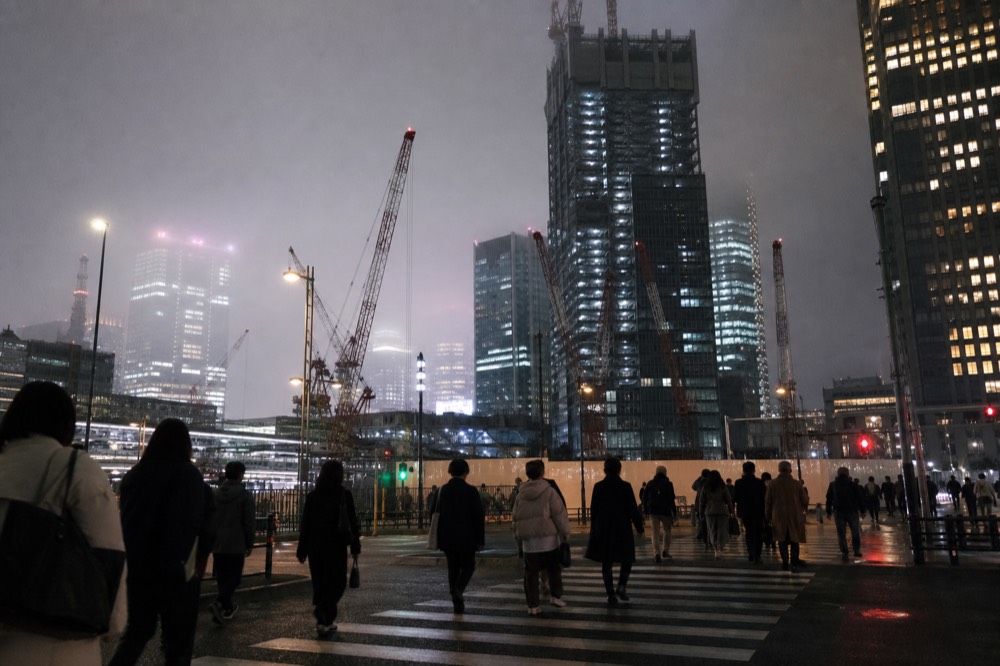
A great deal, because the tower is one piece of a rebuild often called the once-in-a-century redevelopment. Shibuya Sakura Stage opened in July 2024 on the south side with a new JR South Exit, station works continue toward major completion around 2030, and the full project including Scramble Square's Central and West towers runs to fiscal 2034.
The building you visit is only Phase I. The East Tower opened in 2019, and the Central and West towers that will complete Shibuya Scramble Square are still ahead, which is part of why the station area remains a construction site in places. Visitors in 2026 walk through a district that is half finished and improving in visible increments rather than one big reveal.
Sakura Stage is the change most travelers actually notice. It added shops, restaurants and a cleaner route in and out of the station's south side in 2024, and it took some pressure off the Hachiko exit, which had been the default for everyone. If you are building a day around the district rather than just the deck, the walkable version of all this sits in the local guide to Shibuya, and evening walks that finish with rooftop entry are worth a look if you would rather have it explained on the way. You can see which guided slots are open for a walk that takes in the crossing, the statue and the deck, with free cancellation up to 24 hours out.
| When | What happened |
|---|---|
| November 1, 2019 | Shibuya Scramble Square East Tower opens, 47 floors at 229 metres |
| July 2024 | Shibuya Sakura Stage opens on the south side with a new JR South Exit |
| Around 2030 | Major phases of the station rebuild targeted for substantial completion |
| Fiscal 2034 | Full project, including the Central and West towers of Scramble Square |
For the practical side, including what the rooftop bans and what the counter cannot sell you, compare every route onto the deck before fixing a date. If you know the evening you want, check the current price and remaining slots, since the window opens exactly 14 days ahead and sunset goes first.
Frequently asked questions
What is the Shibuya Scramble Square famous for?
SHIBUYA SKY, its rooftop observation deck at 229 metres, which looks down on the Scramble Crossing from almost directly overhead. The building is also known for opening directly above Shibuya Station in November 2019 with more than 200 shops and restaurants, and for being the tallest tower in the district.
How tall is Shibuya Scramble Square?
About 229 metres, across 47 floors above ground. Sources quote 229.7 metres to the tip of the spire and 228.3 metres at the roof level, which is why you will see both 229 and 230 in different places. The open-air Sky Stage sits at the top of that, at 229 metres.
Can you go inside Shibuya Scramble Square for free?
Yes. The retail and restaurant floors from basement 2 up to the 14th are open to anyone, with no ticket and no charge. Only SHIBUYA SKY, which occupies floors 14, 45 and 46 plus the rooftop, sits behind a gate. Restaurants around the 12th and 13th floors give you a decent view without paying for the deck.
When did Shibuya Scramble Square open?
The East Tower opened on November 1, 2019, as Phase I of the project. The Central and West towers are still to be built, and the wider Shibuya Station redevelopment around it is scheduled to run to fiscal 2034, so the area continues to change year by year.